Discover the Watermelon Font: A Fresh Take on Handwritten Style
There’s an instant warmth and personality that a truly well-crafted handwritten typeface can bring to a project. For designers, crafters, and creators seeking that perfect blend of playful charm and professional polish, the Watermelon font emerges as a delightful and versatile option. More than just a script, it’s a design asset that injects life and authenticity into a wide array of creative work.
A Typeface with Personality and Flow
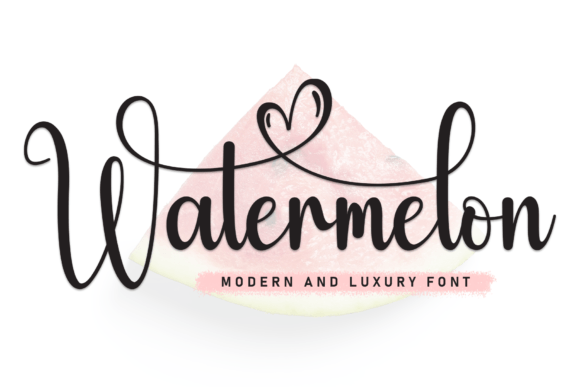
Watermelon is a premium handwritten font characterized by its smooth, flowing curves and a natural, organic rhythm. Unlike rigid script fonts, it maintains a friendly and approachable feel without sacrificing elegance. The letterforms exhibit a subtle variation that mimics real penmanship, avoiding the overly uniform look that can make some digital fonts feel sterile. This makes it an excellent choice for projects where a human touch is desired, bridging the gap between casual creativity and sophisticated modern typography.
Where This Handwritten Font Truly Shines
The true strength of Watermelon lies in its remarkable adaptability across different mediums. It’s not confined to a single niche; instead, it serves as a creative catalyst for numerous applications.
- Brand Identity & Logo Design: It can form the core of a logo for boutique brands, cafes, or lifestyle products, conveying approachability and care.
- Packaging & Product Labels: Use it to highlight product names or special features on labels for artisanal goods, cosmetics, or food items.
- Social Media Graphics & Web Design: Perfect for creating engaging Instagram quotes, story highlights, or website headers that need to capture attention quickly.
- Editorial & Invitation Design: From wedding invitations to magazine pull quotes, it adds a personalized, elegant flair to print layouts.
- Crafting & Digital Products: Ideal for digital planners, printable wall art, and DIY project templates, aligning perfectly with its stated use for crafting and greeting card making.
Practical Tips for Effective Use
To get the most out of a display font like Watermelon, context is key. Its expressive nature makes it best suited for headlines, logos, and short bursts of impactful text rather than lengthy body copy. For optimal readability, pair it with a clean sans serif font or a simple serif font for supporting text. This creates a clear visual hierarchy, allowing Watermelon to command attention where it’s needed most. Always test the font at various sizes to ensure the details remain crisp, especially for smaller applications like website buttons or subheadings.
Considering Licensing and Commercial Projects
Before integrating any typeface into a professional workflow, understanding its licensing is crucial. Ensure you have the correct commercial font license for your intended use, whether for client work, merchandise, or digital font download products. This not only protects you legally but also supports the typographers who create these valuable design assets. Checking the license details upfront is a professional step that ensures seamless and ethical use of the creative font.
Elevating Your Design with Intentional Typography
Typography is a fundamental pillar of design, directly influencing how a message is perceived. Choosing a typeface like Watermelon is a deliberate decision to communicate with warmth, creativity, and authenticity. It can help shape brand perception, making a business feel more personal and trustworthy. In a landscape crowded with generic visuals, a thoughtfully selected script font can be the differentiating factor that makes your poster design or packaging design memorable.
Ultimately, selecting the right font is about finding a tool that aligns with your creative vision. Watermelon offers a compelling combination of aesthetic appeal and functional versatility, making it a worthy consideration for anyone looking to add a touch of handcrafted elegance to their next project. Its ability to enhance everything from digital screens to printed materials makes it a valuable addition to a designer’s toolkit.